What are you looking for?
Search


Marriage Is Fading, Loneliness Is Rising: Where Is the New Emotional Outlet?
Introduction
More people say, “Love is exhausting. I’d rather not.”
Marriage declines, divorce rises, birth rates collapse—
Yet loneliness persists.
We entered a new era:
We don’t reject intimacy—
we reject paying the emotional cost for it.
I. Why are people avoiding relationships?
Love became a high–risk investment:
-
Emotional burnout
-
Rising expectations
-
Social pressure
-
Uncertainty
-
Fear of disappointment
People don’t fear loneliness.
They fear being hurt.

II. Marriage and childbirth decline—not due to apathy, but caution
Marriage turned from safety to liability.
Children turned from joy to responsibility.
So people choose:
Don’t enter structures that can destroy your future.

III. The real paradox:
We don’t want relationships—but we don’t want to be alone**
We crave:
-
Presence
-
Warmth
-
Physical closeness
-
Emotional anchor
—but without conflict, betrayal, judgment, or loss.
This leads to a new demand:
I want companionship without the possibility of being hurt.

IV. Companionship shifts away from “people”, toward “objects and controlled bonds”
This is not coldness; it is psychological adaptation:
-
AI partners
-
digital avatars
-
pets
-
comfort objects
-
dolls
-
emotional projection spaces
People are fragmenting the functions of love, not rejecting it.
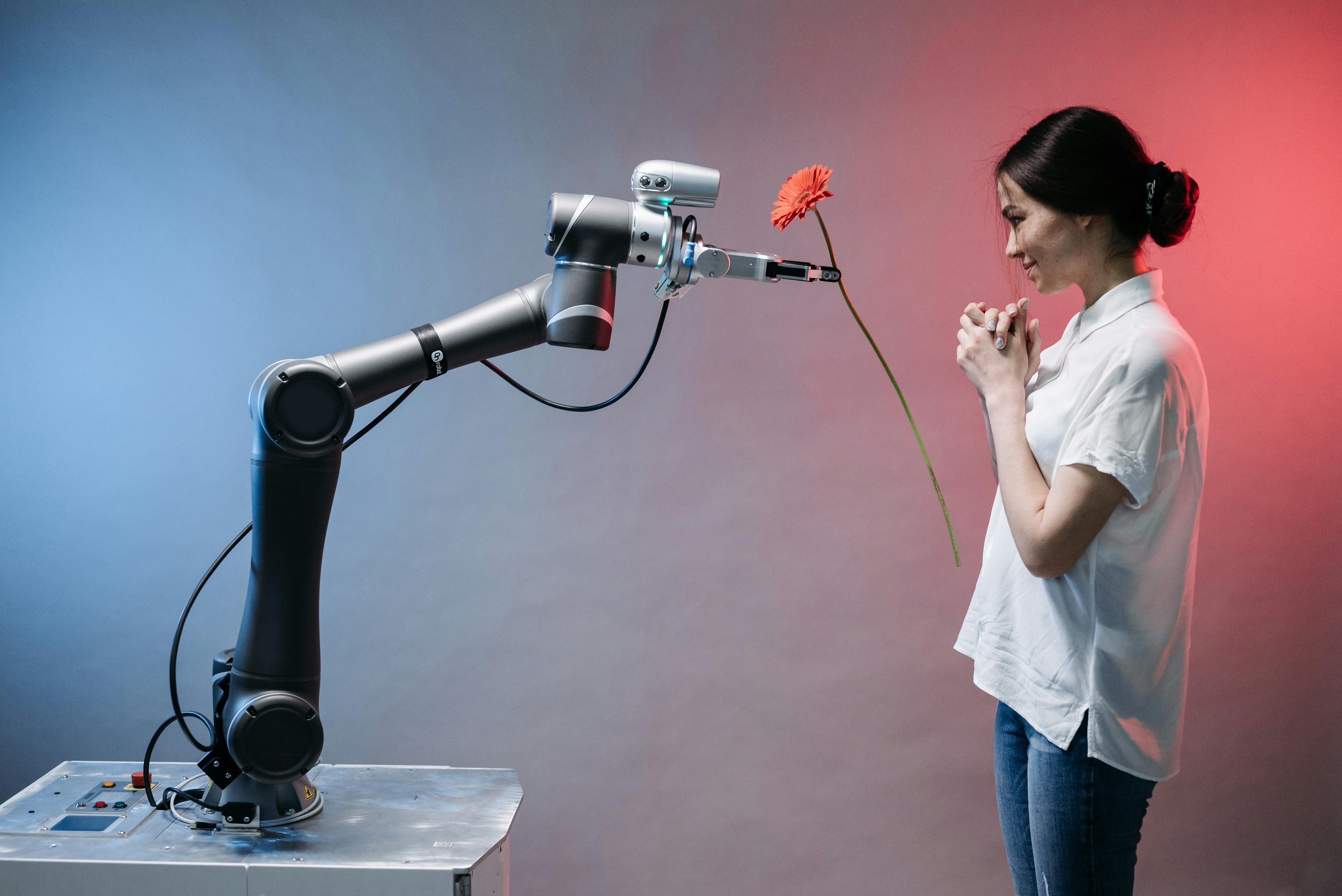
V. Why private companionship models grow?
Because they offer:
✔ No judgment
✔ No conflict
✔ No abandonment
✔ Total projection
✔ Emotional safety
✔ Control over pace
✔ Freedom from risk
For modern individuals, companionship means:
a presence that stays,
without the danger of hurting you.

**VI. The next decade:
Intimacy becomes privatized emotional infrastructure**
We are watching:
-
Emotional value privatization
-
Institutional companionship acceptance
-
Risk-free relationship models normalize
Conclusion
People still want warmth, touch, connection, and meaning—
they simply refuse to suffer for it.
Companionship didn’t die.
It evolved into a safe, personal ecosystem.
Perhaps the purest intimacy is:
someone who won’t hurt you, won’t leave you,
but stays by your side.
